How to Choose the Right POS System
Choosing the right Point-of-Sale (POS) system is an important decision for any business. A modern POS does much more than process payments. It can help you manage sales, inventory, products, customers, employees, and business reports from one place.
With so many POS solutions available, the best choice depends on your business type, daily operations, and future goals. Here are the key factors to consider before choosing your POS system.
1. Understand Your Business Needs
Start by identifying what your business actually needs from a POS system.
A small retail store may need fast checkout, barcode scanning, receipt printing, and inventory management. A restaurant may require table management, kitchen orders, and menu customization. A growing business may need multiple locations, employee accounts, and detailed reporting.
Make a list of the features you use every day and the problems you want your POS system to solve.
2. Choose the Right Hardware
Your POS hardware should match your workflow and environment.
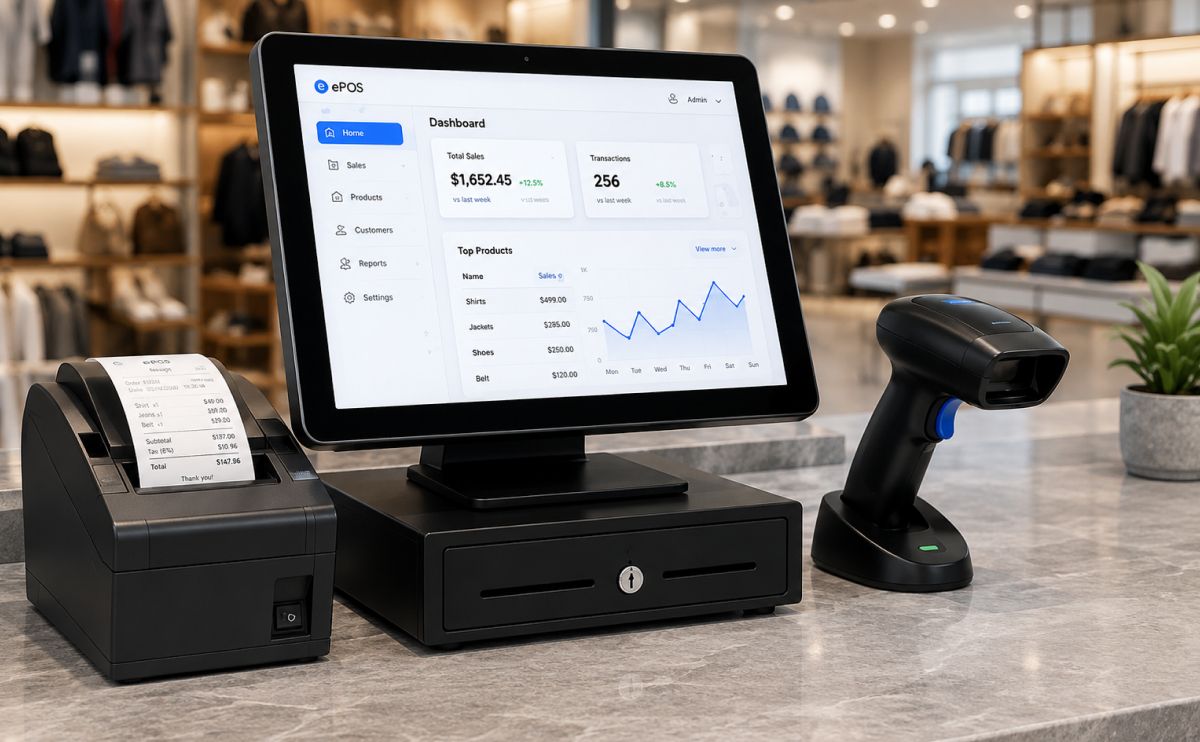
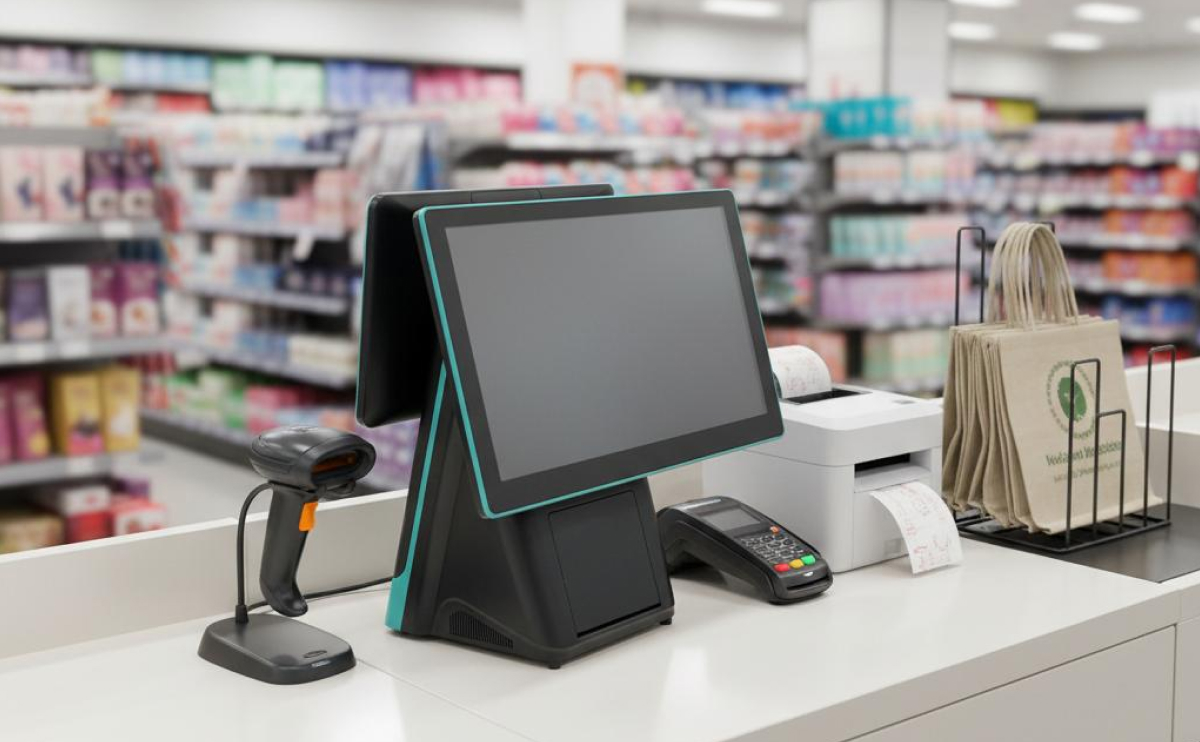
A typical setup can include:
- POS touchscreen or terminal
- Cash drawer
- Thermal receipt printer
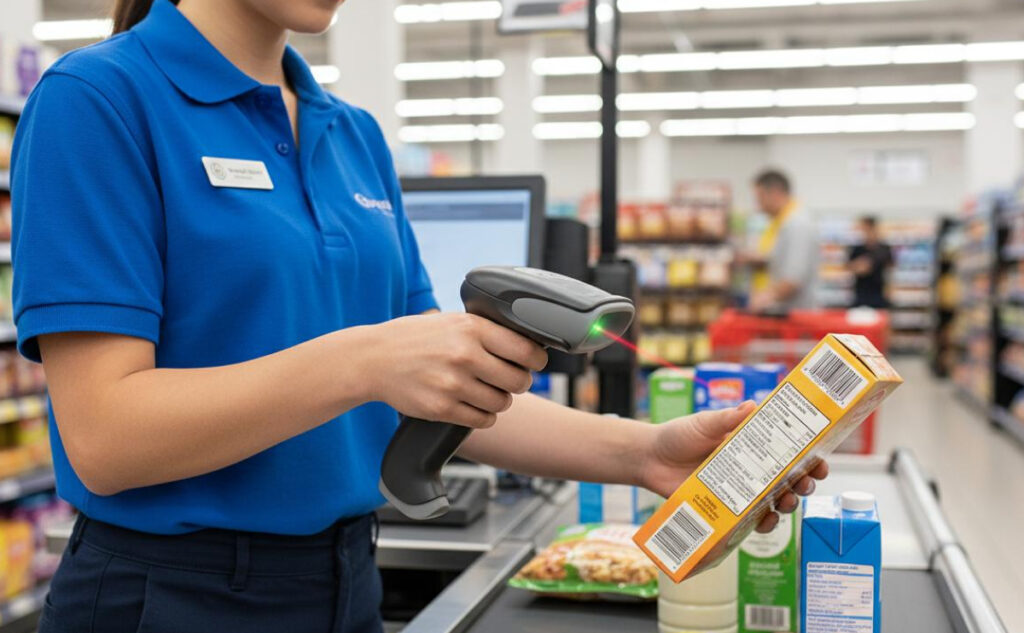
- Barcode scanner
- Customer display
- Payment terminal
The hardware should be reliable, easy to use, and designed to handle your daily transaction volum
3. Look for Powerful Software Features
The software is the heart of your POS system. Look for features that make your daily operations easier.
Important features may include:
- Sales and transaction management
- Inventory tracking
- Product management
- Customer management
- Employee management
- Sales reports and analytics
- Discounts and promotions
- Multiple payment methods
- Multi-location management
A good POS should reduce manual work rather than create more of it.
4. Check Inventory Management
For retail businesses, inventory management is one of the most important features.
Your POS should help you monitor stock levels, identify fast-selling products, track product variations, and know when items need to be reordered.
Real-time inventory information can help prevent stockouts and reduce unnecessary overstock.
Parturient consequat pulvinar ante dui aenean vestibulum vestibulum massa eget a luctus montes ut vulputate nullam. Ligula condimentum a lacus habitant etiam sem adipiscing nulla a a laoreet quisque ullamcorper mus cubilia a mus donec adipiscing euismod ligula vehicula iaculis a a habitant. Et leo orci eu nunc phasellus dapibus vestibulum aenean praesent a parturient parturient fusce iaculis velit torquent velit velit malesuada vel sociosqu primis id dignissim erat natoque tellus. Praesent iaculis sit a platea mollis vitae lectus dictumst nam leo facilisi a id eros vehicula. Augue parturient arcu condimentum convallis turpis id consequat vestibulum vestibulum ullamcorper dignissim bibendum facilisi vulputate litora.
Praesent Iaculis sit Vehicula
Lap. 4 Tellus A17-B27